1955
Born in San Francisco
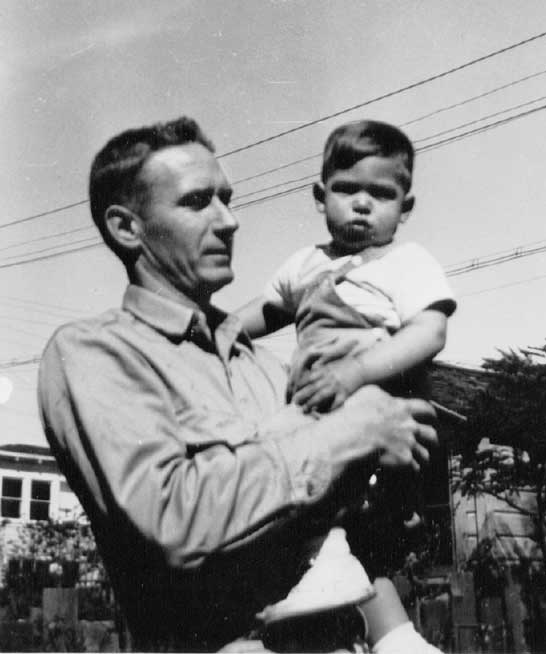
Steve Jobs was born on February 24, 1955, in San Francisco and
adopted by Paul and Clara Jobs. Growing up in Mountain View, California, he was surrounded by
engineers and tinkerers in the heart of what would become Silicon Valley. His father taught him
craftsmanship and attention to detail by working on electronics in their garage, lessons that
would define his approach to product design.
1971
Meeting Wozniak
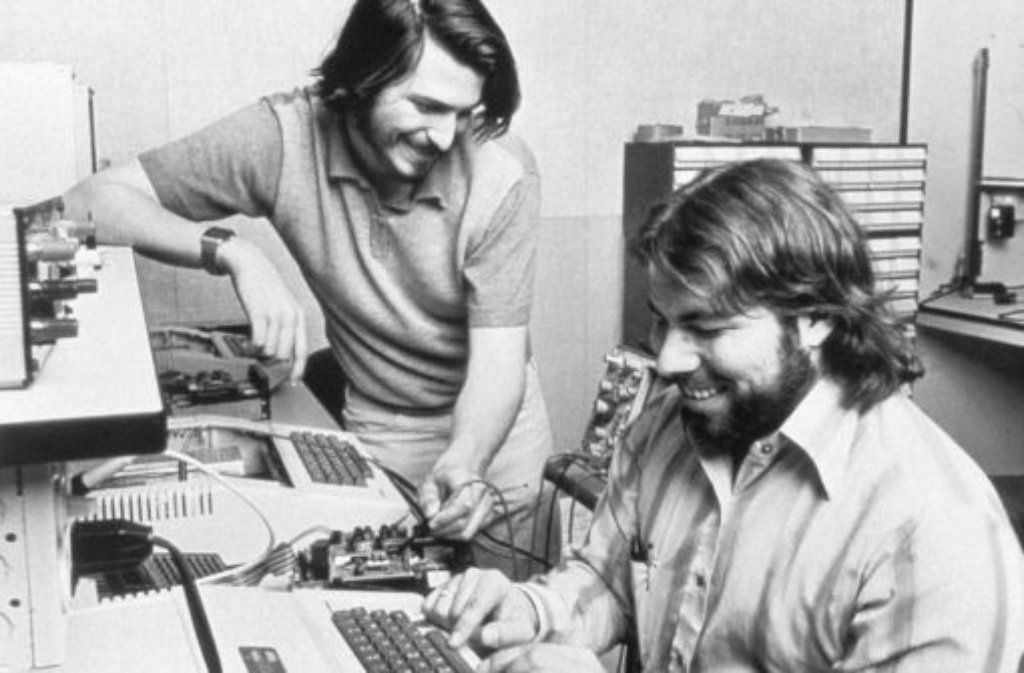
Jobs met Steve Wozniak through a mutual friend, Bill Fernandez.
Despite their five-year age gap, they bonded instantly over their shared passion for
electronics, pranks, and Bob Dylan's music. Wozniak's technical brilliance combined with Jobs'
vision and business instinct formed a partnership that would revolutionize personal computing
and change the world forever.
1976
Apple is Founded
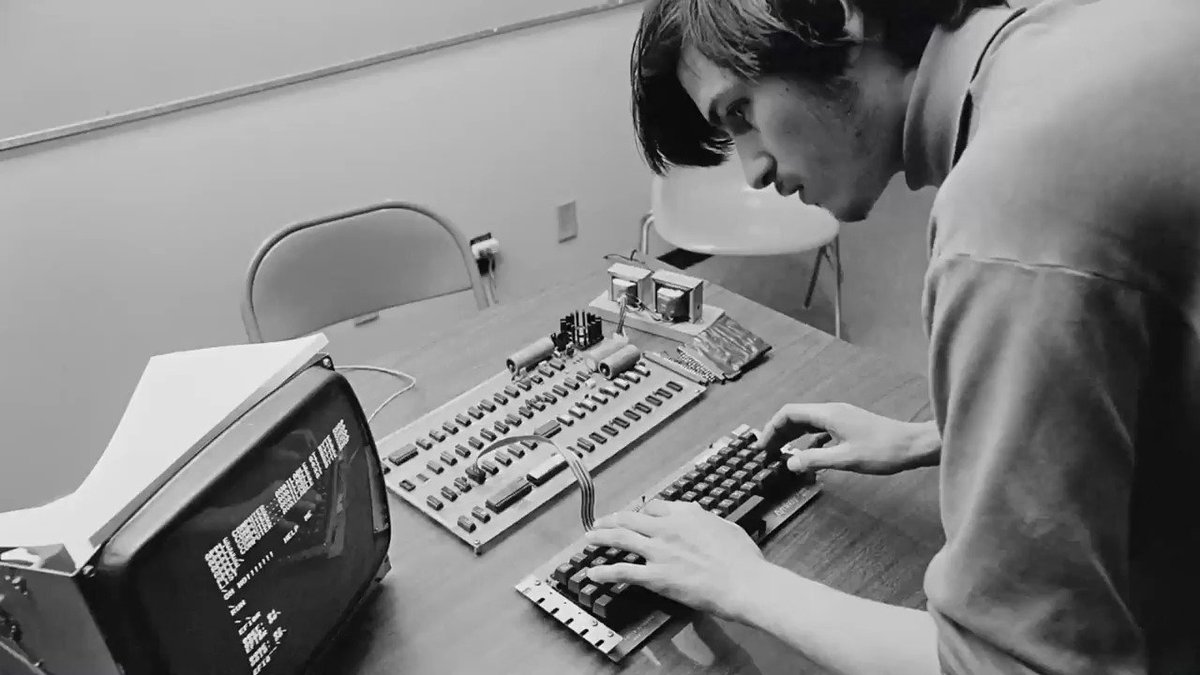
On April 1, 1976, Jobs, Wozniak, and Ronald Wayne founded Apple
Computer in the Jobs family garage in Los Altos. The Apple I was hand-built by Wozniak and sold
as a motherboard for $666.66. Jobs convinced a local computer store to buy 50 units, providing
the capital needed to build the inventory. Wayne sold his 10% stake for just $800, missing out
on billions.
1977
Apple II Launch
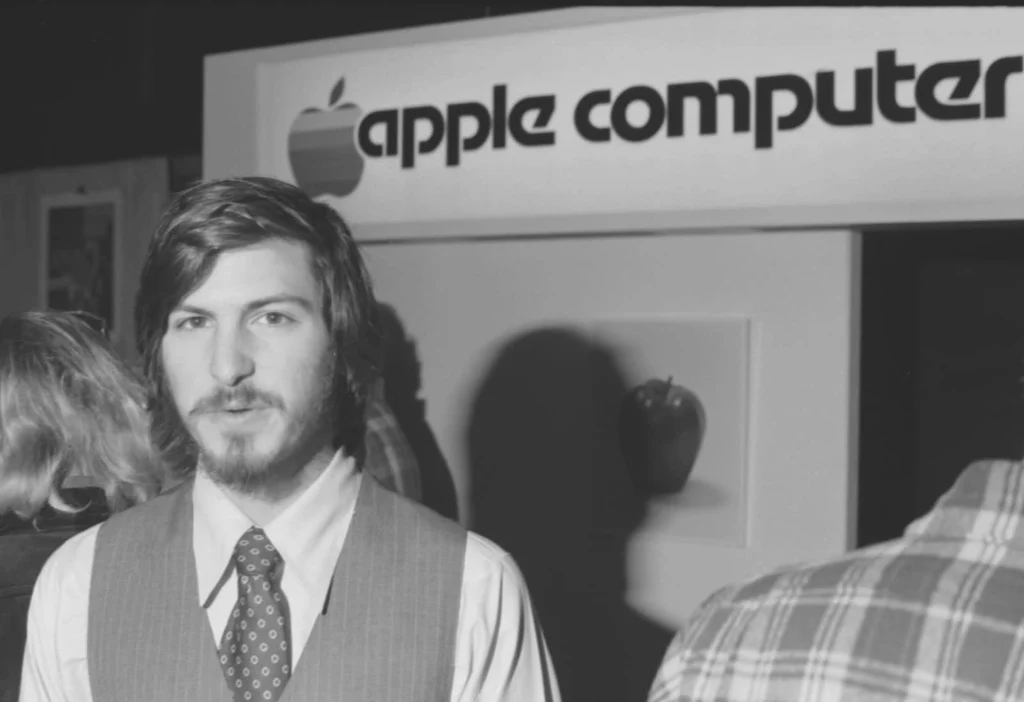
The Apple II, launched at the West Coast Computer Faire, became one
of the first highly successful mass-produced personal computers. With its color graphics, open
architecture, and expansion slots, it attracted software developers and hobbyists alike.
VisiCalc, the first spreadsheet program, made the Apple II indispensable for businesses,
establishing Apple as a major player in the tech industry and generating hundreds of millions in
revenue.
1984
Macintosh Revolution
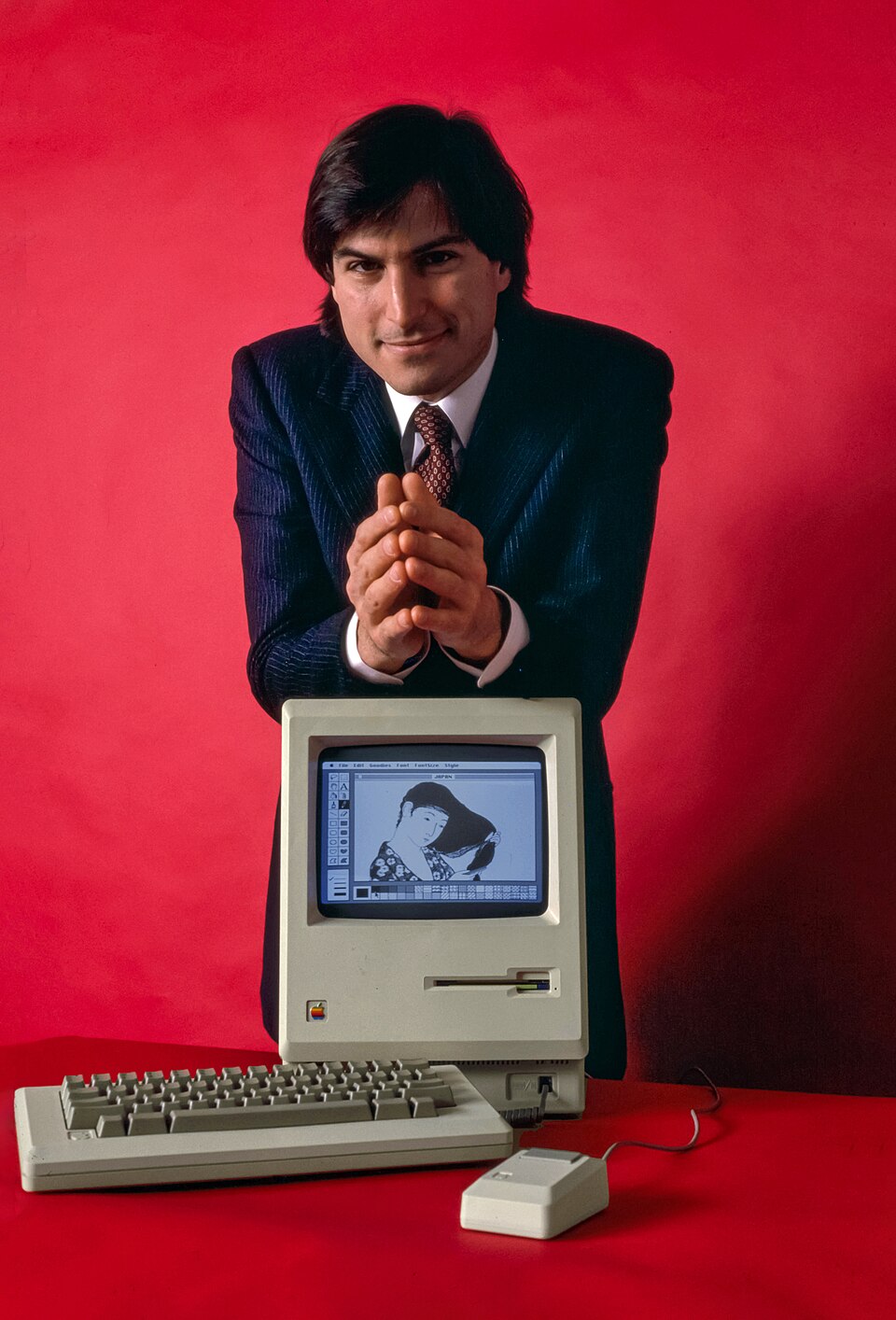
The Macintosh, unveiled on January 24, 1984, introduced the masses to
the graphical user interface with its revolutionary point-and-click mouse navigation. Jobs
insisted on elegant design and user-friendly experience. The iconic "1984" Super Bowl ad,
directed by Ridley Scott, positioned Apple as a rebel against IBM's dominance and became one of
the greatest commercials ever made, forever changing tech marketing.
1985
Ousted from Apple
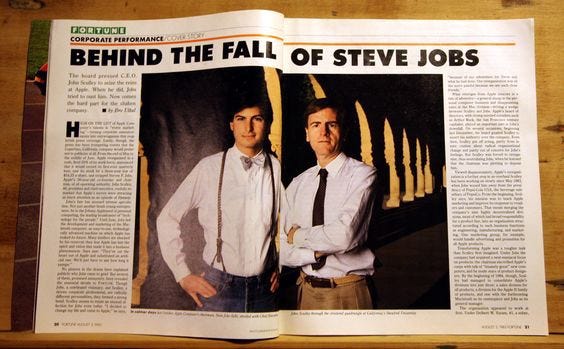
After a bitter power struggle with CEO John Sculley, whom Jobs
himself had recruited from Pepsi, Jobs was stripped of his duties and forced out of Apple at age
30. The board sided with Sculley, believing Jobs was too young and volatile. Jobs called it
"devastating" and felt publicly humiliated. However, he later reflected that being fired from
Apple was the best thing that could have happened, freeing him to enter one of the most creative
periods of his life.
1985
NeXT Computer
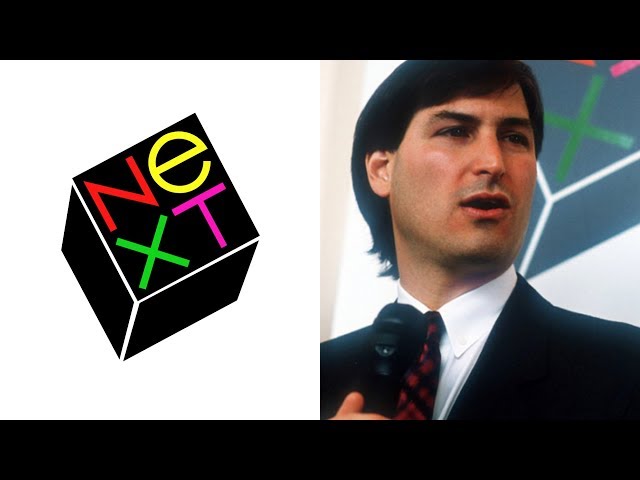
Jobs founded NeXT Inc., aiming to create the ultimate computer for
universities and researchers. The NeXT Computer featured a revolutionary object-oriented
operating system and elegant black cube design. Though commercially unsuccessful due to its high
price, NeXT's software innovations were groundbreaking. Tim Berners-Lee created the World Wide
Web on a NeXT Computer, and the platform's technology would later become the foundation for
macOS and iOS.
1995
Pixar's Toy Story
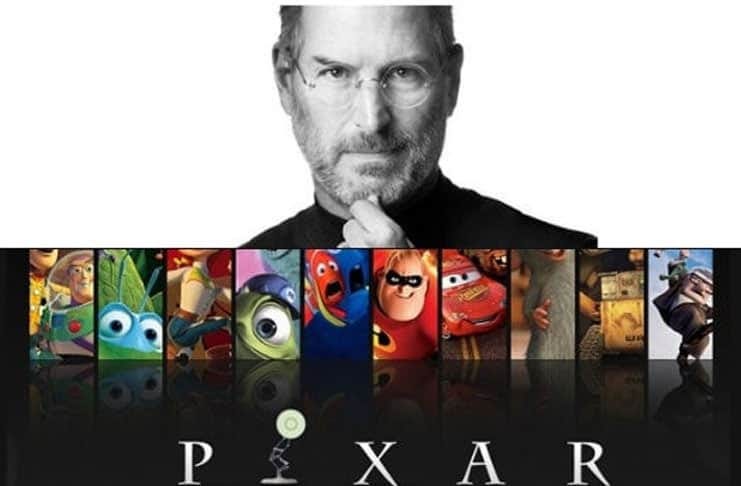
Pixar Animation Studios, which Jobs acquired from George Lucas in
1986 for $10 million, released Toy Story on November 22, 1995 – the first fully
computer-animated feature film. The movie was a critical and commercial triumph, earning over
$373 million worldwide. Pixar's IPO one week later made Jobs a billionaire, with his stake worth
over $1 billion. This success in a completely different industry would prove crucial to his
return to Apple.
1997
Return to Apple
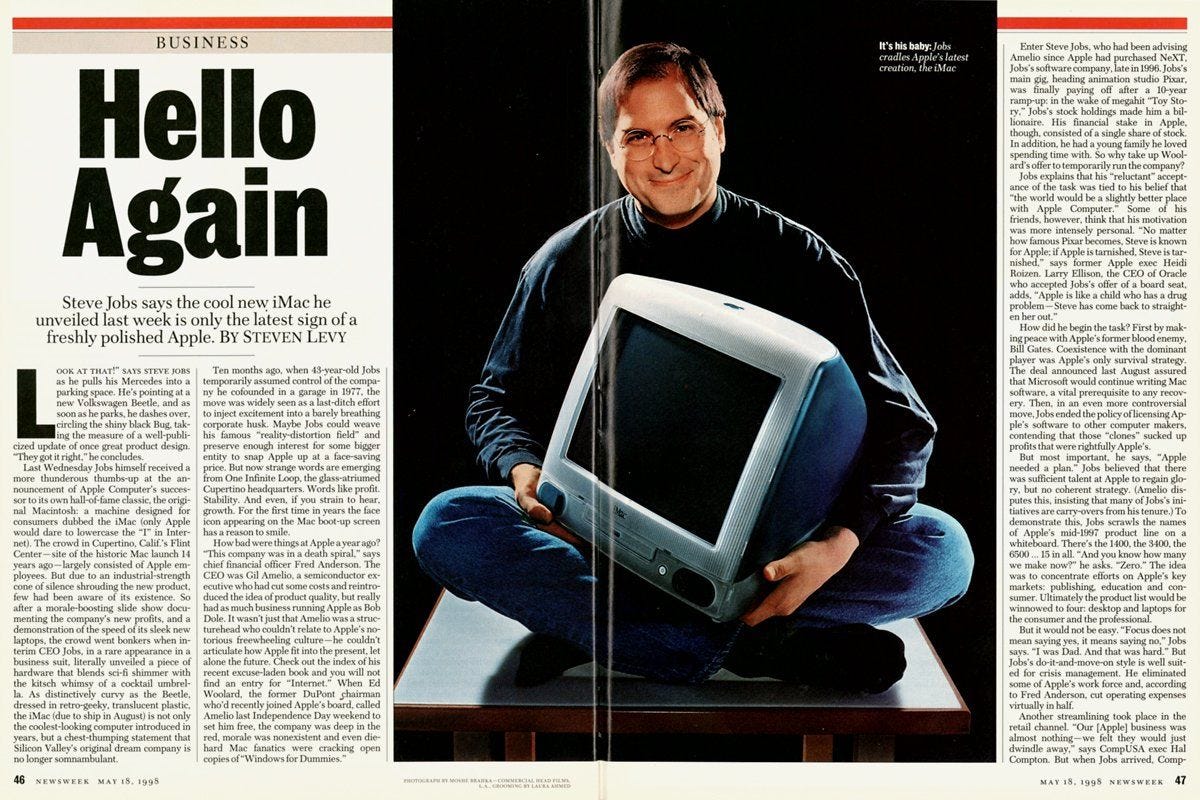
In a stunning turn of fate, Apple acquired NeXT for $429 million,
bringing Jobs back to the company he co-founded. Apple was 90 days from bankruptcy, hemorrhaging
money with a confusing product line. Jobs became interim CEO in September 1997 and immediately
began a radical transformation: he slashed the product line from 350 to just 10, forged a
partnership with Microsoft, and launched the "Think Different" campaign that repositioned Apple
as the choice for creative rebels.
2001
iPod Changes Music
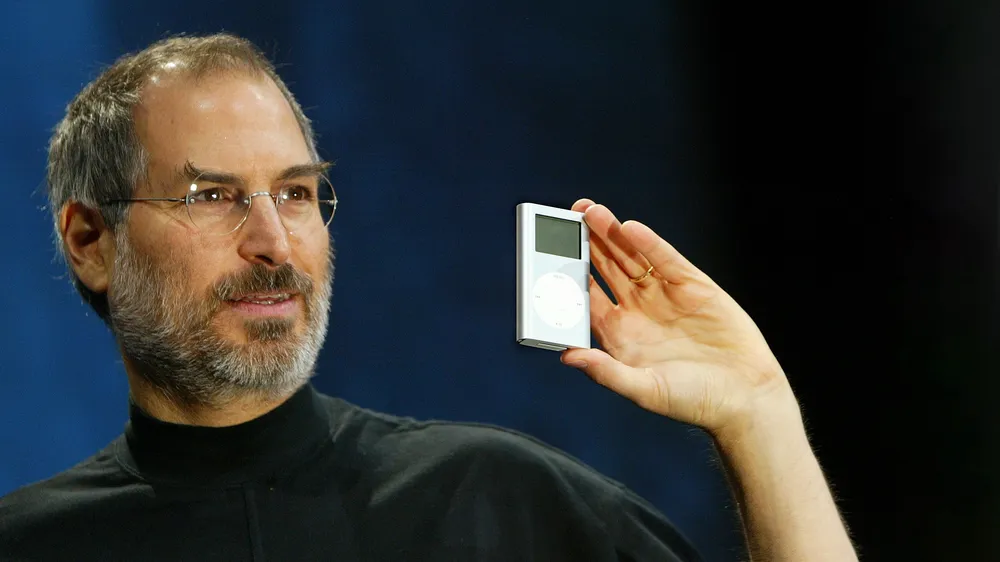
"1,000 songs in your pocket." On October 23, 2001, Jobs introduced
the iPod, a sleek white device with a scroll wheel that could hold an entire music library.
Combined with iTunes and later the iTunes Store in 2003, Apple created a legal digital music
ecosystem that transformed the entire music industry. The iPod became a cultural phenomenon,
selling over 400 million units and positioning Apple at the intersection of technology, design,
and lifestyle.
2007
iPhone Revolution
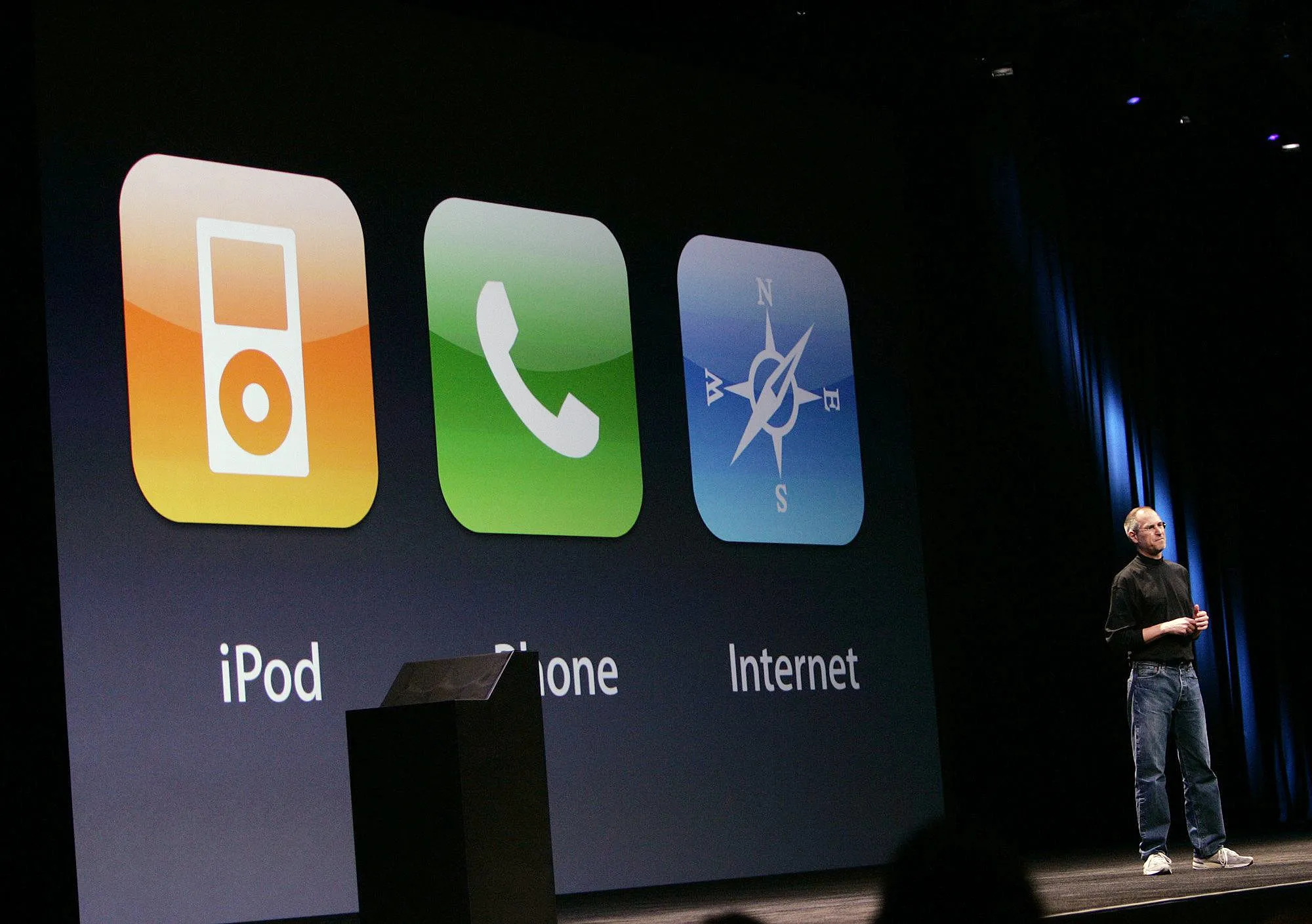
"Today, Apple is going to reinvent the phone." On January 9, 2007,
Jobs unveiled the iPhone at Macworld, combining a phone, iPod, and internet communicator into
one revolutionary multi-touch device. Industry experts were skeptical, but the iPhone
fundamentally redefined what a smartphone could be. The App Store, launched in 2008, created an
entirely new economy of mobile apps and services, transforming Apple into the most valuable
company in the world and ushering in the mobile era.
2011
Legacy
Steve Jobs passed away on October 5, 2011, after a long battle with
pancreatic cancer. He had resigned as CEO just six weeks earlier. His impact on technology,
design, and culture is immeasurable: he didn't just create products, he created entire
industries. His vision of technology as a tool for human creativity, his insistence on the
marriage of liberal arts and technology, and his relentless pursuit of perfection continue to
inspire innovators worldwide. "Stay hungry. Stay foolish."